
 Car Stereo
 Car Speakers
 Car Subwoofers
 Cars Amplifiers
 Car Equalizers
 Car Multi-Media



 Audio Processors
 CAM Recording System
 Cameras
 GPSs
GPSs Led Lights
 Mirrors
 Remote Controls
 Tinting Films
 Windshields
 Cut-in & Lid Kits
 Harnesses
 Plates
 Speaker Grills
 Speaker Pods
 Wires & Cables


Audio Processors

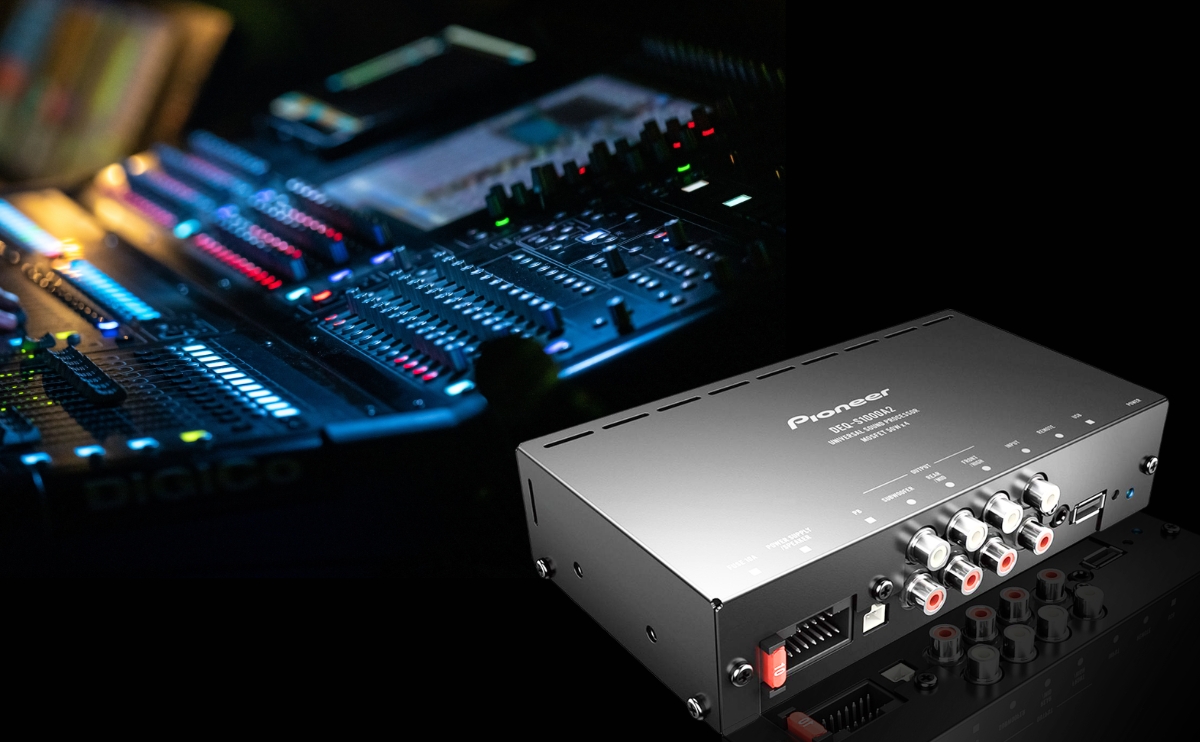
About Audio Processors
Exploring the World of Audio Processors: Enhancing Sound Quality and Creative Possibilities
In the ever-evolving world of audio technology, audio processors have become indispensable tools for anyone working with sound. Whether you're a musician, sound engineer, or simply someone who appreciates high-quality audio, understanding audio processors can open up a world of possibilities. But what exactly are audio processors and why are they so important?
At their core, audio processors are devices or software applications that manipulate sound signals to improve or alter their quality. They play a pivotal role in various stages of audio production, from recording and mixing to mastering and playback. These processors can perform a wide range of functions, such as equalization (EQ), compression, reverb, and noise reduction, each designed to enhance the clarity, balance, and overall impact of audio.
For musicians and producers, audio processors are essential for sculpting the perfect sound. EQ, for instance, allows them to boost or cut specific frequency ranges, thereby achieving a balanced mix that captures the essence of each instrument. Compression helps control dynamic range, ensuring that the quiet parts are audible while the louder parts do not overwhelm. Reverb adds depth and space, creating a more immersive listening experience.
In broadcasting and live sound environments, audio processors ensure that sound is consistent and intelligible. They help maintain audio levels, reduce background noise, and compensate for acoustical challenges presented by different environments. For consumers, audio processors in devices such as smartphones, TVs, and home theater systems enhance the listening experience by optimizing sound quality based on content and environment.
Moreover, the advent of digital technology has revolutionized audio processing, making it more accessible and versatile than ever before. Software-based audio processors offer immense flexibility, allowing users to experiment with an array of effects and settings without the need for physical equipment. This democratization of audio technology means that artists and creators can push the boundaries of sound design, creating innovative and unique auditory experiences.
In Comparison, Software solutions provide flexibility and cost-effectiveness, while hardware options ensure reliability and performance
In conclusion, audio processors are a vital component in the realm of sound production and consumption. They not only refine and enhance audio quality but also empower creators to explore new creative territories. As technology continues to advance, we can expect audio processors to become even more sophisticated, offering unprecedented control and creativity in the world of sound. Whether you're a professional in the audio industry or a passionate listener, understanding and utilizing audio processors can greatly enrich your auditory experience.